
Exploring the psychological effects of casino environments on decision-making
The immersive design of casinos
The design of a casino creates an immersive environment that captivates visitors from the moment they enter. Bright lights, engaging sounds, and the smell of fresh food create a sensory overload that draws individuals into the gaming experience. This carefully curated atmosphere can significantly influence a player’s emotional state, heightening excitement and reducing inhibitions. As a result, individuals may find themselves more willing to make riskier decisions regarding their gambling activities, especially when considering options at a real money casino australia.
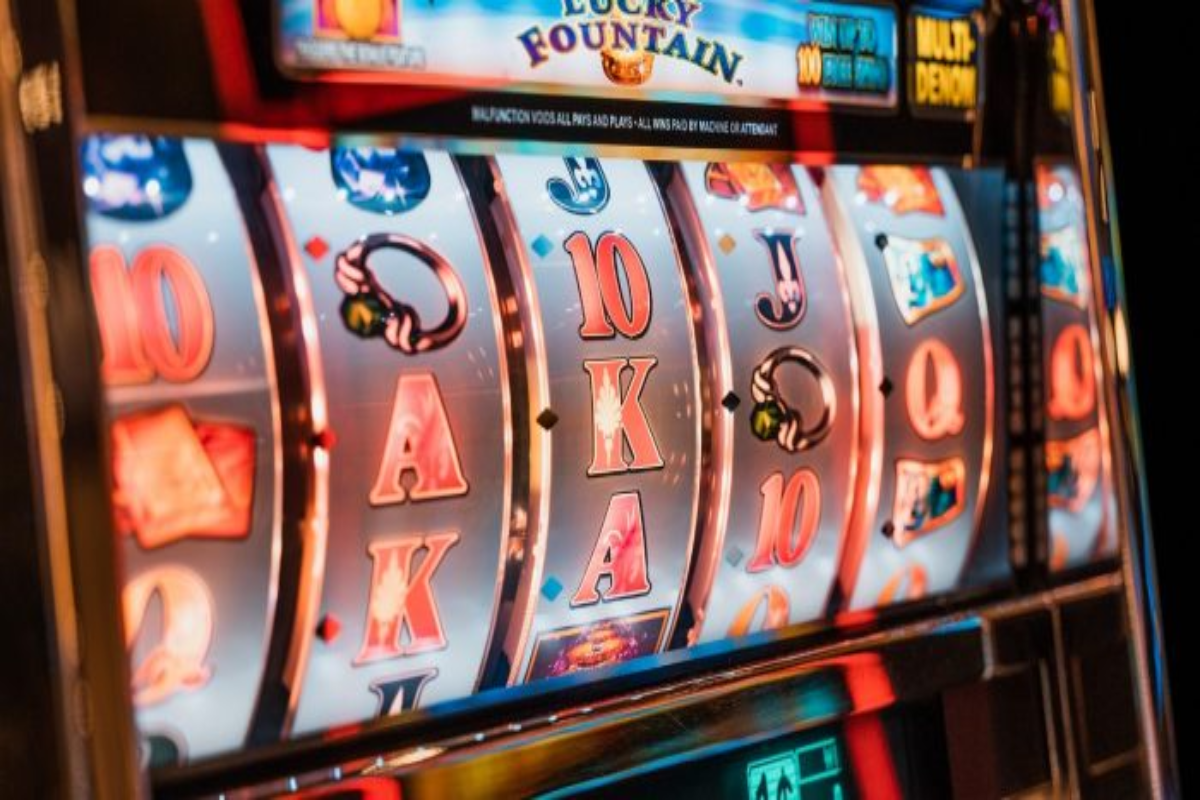
Moreover, the spatial layout of casinos often encourages prolonged stays. The absence of windows and clocks, combined with strategically placed gaming machines and tables, creates a sense of timelessness. This deceptive setup can lead to a misperception of time and money spent, affecting how decisions are made when it comes to gambling. Players may continue to invest in games, convinced they will win back losses, illustrating the impactful relationship between environment and decision-making.
The role of social interactions
Casinos are places where social interactions flourish, adding another layer to decision-making processes. The presence of other players can create a sense of camaraderie and collective energy, encouraging individuals to participate in gambling activities they might typically avoid. Group dynamics often lead to increased risk-taking as individuals may feel emboldened by the actions of their peers, diminishing their ability to assess the potential consequences of their moves, particularly in terms of finances.
Additionally, social interactions within casino environments can lead to cognitive biases, such as the bandwagon effect, where individuals adopt the behaviors of those around them. This effect can further distort decision-making, pushing players toward impulsive choices rather than calculated risks. It is through these interactions that the psychological landscape of gambling becomes intricate, emphasizing how environment and social influences blend to shape behaviors.
The impact of rewards and reinforcement
The casino environment is meticulously engineered to provide immediate rewards, serving as a powerful psychological stimulus that affects decision-making. Winning, whether it be a small jackpot or a free spin, can trigger a release of dopamine, a neurotransmitter associated with pleasure and reward. This biological response can create a craving for continued play, leading individuals to make impulsive decisions in hopes of experiencing that euphoric feeling again.
Furthermore, the variable reinforcement schedules used by casinos, where wins are unpredictable and appear sporadically, keep players engaged. This unpredictability exploits the psychological principle known as the «gamblers fallacy,» where individuals mistakenly believe that past events can influence future outcomes. Such cognitive distortions can skew decision-making, causing players to chase losses and continue gambling despite mounting evidence of unprofitability, which many inexperienced players may overlook.
The effects of stress and excitement
The emotional landscape within a casino is often characterized by high levels of stress and excitement. While excitement can amplify decision-making capabilities by heightening arousal, it can simultaneously lead to poor choices when individuals become overwhelmed. Studies have shown that stress can negatively impact cognitive functions such as impulse control and risk assessment. In a casino setting, this can manifest as players making hasty bets or escalating their spending beyond what they intended.
The combination of stress and excitement creates a volatile psychological state that can significantly affect gambling behavior. Players may find themselves oscillating between elation and anxiety, leading to erratic decision-making patterns. Understanding this interplay between emotion and decision-making is crucial for both players who wish to gamble responsibly and casino operators aiming to create a balanced environment that promotes healthy gaming behaviors.

Conclusion and resources
In conclusion, the intricate relationship between casino environments and decision-making is a subject ripe for exploration. From immersive designs and social interactions to the psychological impacts of rewards and emotional states, every aspect plays a significant role in how decisions are made within these vibrant spaces. For those interested in further understanding these dynamics, visiting reputable resources can provide valuable insights into responsible gambling practices and the psychological influences at play.
Engaging with expert content on the psychological effects of casinos can enhance one’s awareness of personal decision-making processes and promote healthier gambling habits. It is essential to remain informed and recognize the factors influencing choices to cultivate a more mindful approach to gaming experiences.